The most comprehensive marketplace for data center solutions.
Company
Quick Links
Marketplace
Latest News
Sitemap
Solution
Support

Datacentermart.com. All rights reserved

Home

Community

Marketplace

Get Quote


Data centers are the backbone of the modern digital economy. Every online interaction—from cloud computing and video streaming to digital banking, healthcare systems, and e-commerce—relies on secure and high-performing data center infrastructure. In the USA, the rapid growth of digital services has made data centers more critical than ever.
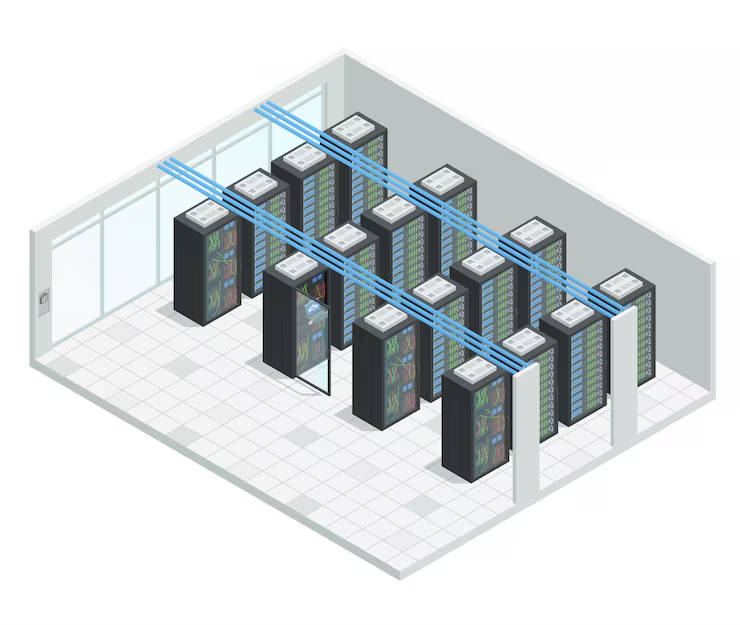
As technology adoption accelerates, data centers continue to evolve to handle higher workloads, stricter uptime requirements, and increasing data volumes. These facilities are no longer just storage locations; they are intelligent environments designed to support continuous innovation, scalability, and reliability across industries.
Data centers act as centralized hubs where computing, storage, networking, and security systems work together to deliver digital services. Businesses depend on them to process data, host applications, and ensure seamless connectivity for users worldwide.
In the USA, data centers support everything from startups to large enterprises, government agencies, and global cloud providers. Reliable data center operations enable innovation, business continuity, and competitive advantage.
Modern data centers face rising demands driven by cloud adoption, AI workloads, big data analytics, and edge computing. At the same time, power consumption, cooling requirements, and sustainability expectations continue to increase.
Organizations must balance performance, availability, and cost efficiency while ensuring compliance with regulatory and security standards.
As data centers scale, infrastructure environments become more complex. Hybrid and multi-cloud architectures introduce additional layers of management, while uptime expectations leave little room for error. Managing these challenges requires careful planning and expert operational oversight.
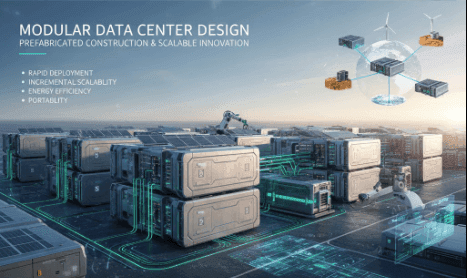
Data centers have evolved from basic server rooms into highly engineered facilities. Modern designs focus on redundancy, resilience, and efficiency. Advanced cooling systems, modular infrastructure, and automation tools are now standard across leading facilities.This evolution allows organizations to support growth while maintaining performance and reliability.
Data centers operate through the integration of multiple critical components. These elements work together to deliver uninterrupted digital services.
Core Infrastructure Elements:-
Well-managed data centers deliver significant business value. High availability ensures uninterrupted services, while efficient infrastructure reduces operational costs. Scalable environments allow organizations to expand without major disruptions.Better visibility into infrastructure performance also supports smarter decision-making and long-term planning.
Data centers support a wide range of industries across the USA. Cloud service providers rely on them to deliver on-demand resources. Financial institutions depend on secure environments for transaction processing and compliance.
Healthcare organizations use data centers to support electronic health records and critical systems. Retail and e-commerce platforms rely on scalable infrastructure to manage peak traffic and seasonal demand. Media, telecom, and government sectors also depend on data centers for mission-critical operations.
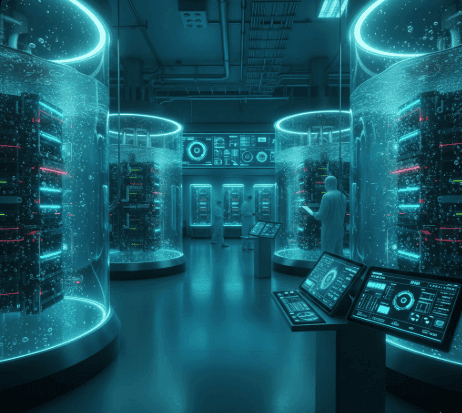
Energy efficiency has become a top priority for modern data centers. Rising power costs and environmental concerns drive the adoption of efficient cooling technologies, renewable energy sources, and optimized facility designs.
Sustainable data center strategies help reduce carbon footprint while maintaining performance and reliability.
Organizations that invest in modern data center infrastructure often see measurable improvements. Optimized environments reduce downtime, improve energy efficiency, and increase resource utilization. These gains translate into lower costs and improved service quality.
Data centers are the true powerhouses behind the digital world, enabling continuous connectivity, innovation, and growth. In the USA, their role continues to expand as businesses rely more heavily on digital platforms and data-driven services.Strong data center strategies ensure reliability, scalability, and long-term success in an increasingly digital economy.
Organizations planning to build, expand, or optimize data center infrastructure can benefit from expert guidance. Partnering with experienced data center specialists helps reduce risk, control costs, and ensure future-ready operations.
What is the primary role of a data center?
A data center provides the infrastructure needed to store, process, and deliver digital data and applications.
Why are data centers critical for modern businesses?
They ensure uptime, security, scalability, and performance for digital services.
Do all industries rely on data centers?
Yes. Industries such as finance, healthcare, retail, media, and government all depend on data centers.
Are data centers evolving with new technologies?
Yes. Modern data centers continuously evolve to support cloud computing, AI, automation, and sustainability goals.